
If you’re wondering how to improve presentation skills at university, you’re not alone. Most students feel a rush of nerves before standing up to speak — even confident ones! Public speaking can be intimidating, but the good news is that presentation skills can be learned, trained, and mastered.
Whether you’re preparing for a seminar presentation, a dissertation defence, or a group project pitch, this guide will show you practical ways to become a more engaging, confident, and authentic presenter.
❓ Why Presentation Skills Matter at University
Your presentation skills aren’t just about getting good grades — they shape your confidence, your communication style, and even your future career success. According to a report by the British Council, strong communication is among the top 3 employability skills UK employers seek.
In short: learning to speak clearly, confidently, and persuasively can boost your marks, your reputation, and your career prospects.
🧠 Step 1: Understand What Makes a Great Presentation
A great university presentation isn’t about having fancy slides — it’s about connection. The audience needs to understand and feel what you’re saying.
Think of three key pillars:
- Content (Logos): What are you saying? Make sure your ideas are logical, evidence-based, and relevant.
- Credibility (Ethos): Why should they listen to you? Cite reliable sources, quote experts, and demonstrate understanding.
- Emotion (Pathos): How do you make people feel? Use storytelling and enthusiasm to make your topic memorable.
👉 Did You Know? Logos, Ethos and Pathos are known as the modes of persuasion, strategies which appear in Aristotle’s Rhetoric (Wikipedia).
📝 Step 2: Plan and Structure Your Presentation Like a Pro
One of the biggest mistakes students make is “winging it.” Great presenters plan everything.
Here’s a simple structure to follow:
- Opening (Hook): Grab attention in the first 15 seconds. Start with a question, a short story, or a surprising fact.
- Middle (Content): Present 2–3 clear points. Support each with a stat, example, or visual.
- Ending (Impact): Conclude with a key takeaway or call to action.
💡 Example: If you’re presenting about sustainability on campus, you could open with:
“Did you know the average UK university student produces over 100kg of waste per year? Let’s explore how we can change that.”
This instantly hooks the audience with a relatable fact.
🗣️ Step 3: Practise with Purpose
You’ve heard “practice makes perfect,” but here’s the truth — practising badly makes bad habits stronger.
Instead, use purposeful practice:
- Record yourself on your phone 🎥 — watch for filler words (“um”, “like”) and adjust.
- Practise in front of a friend or mirror.
- Use a timer — keep within your time limit, and learn pacing.
- Get feedback from your tutor or the university’s speaking centre (most UK unis have one — check your student hub).
🎓 Bonus Tip: Discover The Power of Audiobooks To Improve Presentation Skills
🎧 Bonus Tip: It’s worth checking the latest Audible introductory offers — they’re often available as a free trial or for less than £1!
Whether you’re studying, building new skills, or working on personal growth, audiobooks and podcasts make learning more accessible and engaging.
👉 Check the current Audible offers here.
🎧 Audible – The Ultimate Study Hack!
- 📚 Listen to Textbooks & Study Guides anytime, anywhere.
- 🧠 Boost Focus with expert knowledge and productivity podcasts.
- 🎧 Relax & Unwind with bestselling audiobooks after classes.
- 🔥 Explore New Audiobooks Every Month with your membership!
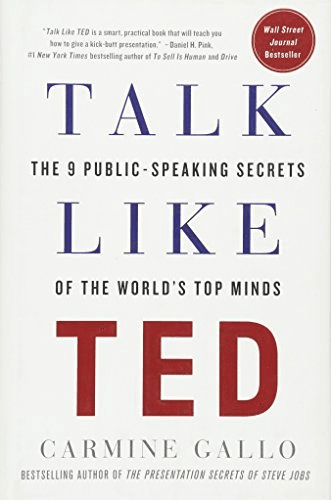
Our Pick: Talk Like TED: The 9 Public Speaking Secrets of the World’s Top Minds — a brilliant and inspiring listen for anyone looking to build confidence, speak with impact, and deliver presentations that truly engage an audience.
💪 Step 4: Overcome Nervousness and Build Confidence
Everyone gets nervous — even TED Talk speakers! The key is not to eliminate nerves but to manage them.
Try these techniques:
- Visualise success — picture yourself speaking confidently.
- Breathe deeply — slow breathing calms your nervous system.
- Power poses (from Amy Cuddy’s research at Harvard Business School) — standing tall can physically reduce stress hormones.
- Focus on the message, not yourself — you’re there to share ideas, not to be judged.
Remember: confidence grows with action, not before it. The more you practise speaking, the easier it becomes.
💡 Recommended Read: Introvert? Our guide on How to Build Confidence at University will help you find your voice and feel more at ease speaking up.
✨ Step 5: Design Slides That Support You, Not Distract
Good slides make your words shine. Poor slides can ruin even the best talk.
Keep these design rules in mind:
- One main idea per slide.
- Use large fonts and high-contrast colours (dark text on light background).
- Replace text blocks with images, graphs, or icons.
- Limit yourself to 6 lines per slide — audiences can’t read and listen at once.
🧠 Tip: Try PowerPoint’s built-in design ideas and simple animations to make your slides look clean and professional—without spending hours on formatting.
Subtle motion (like fade-ins) can help guide attention, but keep it minimal so it supports your message without stealing the spotlight.
👏 Step 6: Engage Your Audience When Presenting
Don’t let your presentation feel like a lecture — make it a conversation.
You can do this by:
- Asking rhetorical or direct questions (“What do you think happens next?”)
- Using humour or relatable examples
- Making eye contact with multiple people around the room
- Varying your tone — monotone kills engagement!
👉 Bonus: A short pause after a key sentence makes people think and adds dramatic effect.
💡 Step 7: Learn from Feedback and Reflect
After your presentation, resist the urge to just move on. Growth happens in self-reflection and critique.
Ask yourself:
- What went well?
- What could I improve next time?
- Did I connect with the audience?
And don’t be afraid to ask your lecturer or peers for constructive feedback — it’s gold.
You can even create a “presentation journal” to track progress over your university years.
👔 Real-World Benefits of Improving Presentation Skills
When you improve your presentation skills at university, you’re also levelling up for life after graduation.
Employers love graduates who can communicate confidently, pitch ideas clearly, and lead discussions.
According to Prospects UK, strong presentation ability is now a “core skill” expected in graduate interviews — from business to science.
So, think of every uni presentation as a mini career rehearsal!
Quick Confidence Boosters Before You Present 💪
- Dress the part — wear something that makes you feel good.
- Arrive early — set up, test your slides, and breathe.
- Chat casually before presenting — it warms you up socially.
- Hydrate — dry throat = shaky voice.
- Smile — it makes you (and your audience) relax instantly.
Remember: first impression matters!
🔗 Recommended: Check Out the Best Books to Build a Successful Mindset at Uni.

Common Mistakes to Avoid While Presenting ⛔
❌ Reading directly from slides
❌ Speaking too fast
❌ Avoiding eye contact
❌ Overloading with information
❌ Forgetting to practise aloud
Remember: confidence doesn’t come from perfection — it comes from connection.
💭 Final Thoughts – Master Presentations at University
Improving your presentation skills at university isn’t just about passing assessments — it’s about building lifelong confidence.
Every time you stand up and speak, you’re strengthening your voice, your mindset, and your ability to inspire others.
So, next time you’re nervous, remember: you’re not performing — you’re communicating.
Your ideas matter. Your voice matters. And with a bit of practice, you’ll deliver presentations that not only impress your lecturers but also make you proud. 🎓
Up Next → How To Excel in Group Projects at Uni
🎓 University Essentials – Everything You Need for Uni
Did you know? We’ve put together tailored student essential lists to help you through every aspect of university life!
- 📝 Student essentials: Everything you’ll need to stay prepared, productive, and comfortable during a typical Uni day.
- 💡 Accommodation essentials: Make your space feel like home (and don’t forget the stuff everyone forgets!).
- 🖥️ Study from home essentials: Tools and tips to create a distraction-free, efficient study setup.
- 🥘 Kitchen essentials: From budget-friendly basics to smart cooking tools that make life easier.
- 🎧 Coolest gadgets for university: Level up your uni experience with tech and tools students actually use.

❓ FAQs – How to Improve Presentation Skills at University
Take slow, deep breaths and ground yourself. Gripping the podium or holding a pen lightly can stabilise your hands.
Don’t memorise word-for-word — learn the structure instead. Use cue cards or the “key points per slide” approach.
Yes — if they’re relevant and respectful. Light humour can help break tension and connect with your audience.
Stick to your module’s time limit, but aim for quality over quantity. Five minutes of clarity beats ten minutes of confusion.
Practise pronunciation using free tools like BBC Learning English and focus on clarity over accent.