
Feeling anxious before an exam or presentation is one of the most common student experiences — and yes, even confident people get those shaky hands, racing thoughts, or “my stomach is doing gymnastics” moments.
If you’re wondering how to relax before an exam or presentation, you’re already taking the right first step: understanding your anxiety and learning how to manage it like a pro.
In this guide, you’ll discover the best, science-backed ways to stay calm, ease tension, reduce stress, and walk in feeling more confident — whether you’re sitting an exam script or standing in front of 50 people with a PowerPoint behind you.
This article uses reputable UK mental health sources, student psychology insights, and techniques recommended by NHS, Mind UK, and top performance coaches.
Let’s get you calm, prepared, and ready to perform. 💪📘
🌟 How to Relax Before an Exam or Presentation (Essential Techniques)
Before diving into individual strategies, here’s the big-picture truth:
You don’t need to eliminate anxiety — you just need to regulate it.
Nerves are normal. They’re a biological response to something that feels important. But with the right tools, you can stop adrenaline from taking over and shift into a state of calm focus.
The essential pillars of relaxation before exams or presentations are:
- Breathing & nervous system regulation
- Grounding the body
- Thought management
- Preparation routines
- Physical habits
Each pillar works independently — but together, they’re incredibly powerful.
😰 Why You Feel Anxious Before an Exam or Presentation
When you’re stressed, your body enters fight-or-flight mode.
Your brain can’t distinguish between a charging bear and a 20-minute assessment worth 10% of your module grade.
This causes:
- Increased heart rate
- Sweaty palms
- Shaky hands
- Racing thoughts
- Difficulty concentrating
These symptoms don’t mean you’re weak — they mean your nervous system thinks it’s protecting you.
Your job?
Teach it that you’re safe.
🌬️ Breathing Exercises to Calm Exam & Presentation Anxiety
Breathing is the fastest way to calm your nervous system. NHS breathing guidance specifically recommends controlled breathing to reduce stress and anxiety.
Here are the most effective ones:
✔ 4–6 Breathing (NHS Recommended)
Inhale 4 seconds → Exhale 6 seconds → Repeat for 1–2 minutes.
The longer exhale tells your brain: “We’re fine. Slow down.”
✔ Box Breathing (Used by Athletes & Speakers)
Inhale 4 → Hold 4 → Exhale 4 → Hold 4.
A brilliant tool right before presenting.
✔ The “Physiological Sigh” (Backed by Stanford Research)
Deep inhale → Short second inhale → Slow long exhale.
Instant cortisol reduction — perfect 5 minutes before an exam or presentation.
These techniques work even if you only do them for 60–90 seconds.
🧘 Grounding Techniques to Reduce Stress Before Exams
Anxiety shows up physically first.
Grounding helps you pull yourself back into the present moment.
✔ 5-4-3-2-1 Sensory Reset
Identify:
5 things you see → 4 you feel → 3 you hear → 2 you smell → 1 you taste.
A favourite among therapists for interrupting spiralling thoughts.
✔ Progressive Muscle Relaxation (PMR)
Tense each muscle group for 5 seconds → Release.
Move from your feet up to your jaw.
Excellent for shaking, tension, or “buzzing energy”.
✔ Shoulder Drop Technique
Most students lift their shoulders without realising.
Drop. Roll. Release.
You’ll feel immediate relief.
🎓 Discover The Power of Audiobooks to Help You Relax Before an Exam!
🎧 Bonus Tip: It’s worth checking the latest Audible introductory offers — they’re often available as a free trial or for less than £1!
Whether you’re studying, building new skills, or working on personal growth, audiobooks and podcasts make learning more accessible and engaging.
👉 Check the current Audible offers here.
🎧 Audible – The Ultimate Study Hack!
- 📚 Listen to Textbooks & Study Guides anytime, anywhere.
- 🧠 Boost Focus with expert knowledge and productivity podcasts.
- 🎧 Relax & Unwind with bestselling audiobooks after classes.
- 🔥 Explore New Audiobooks Every Month with your membership!
Choose wisely! Whether you use your picks for something fun or specifically for calming your mind before an exam or big presentation, we highly recommend making the most of this resource.
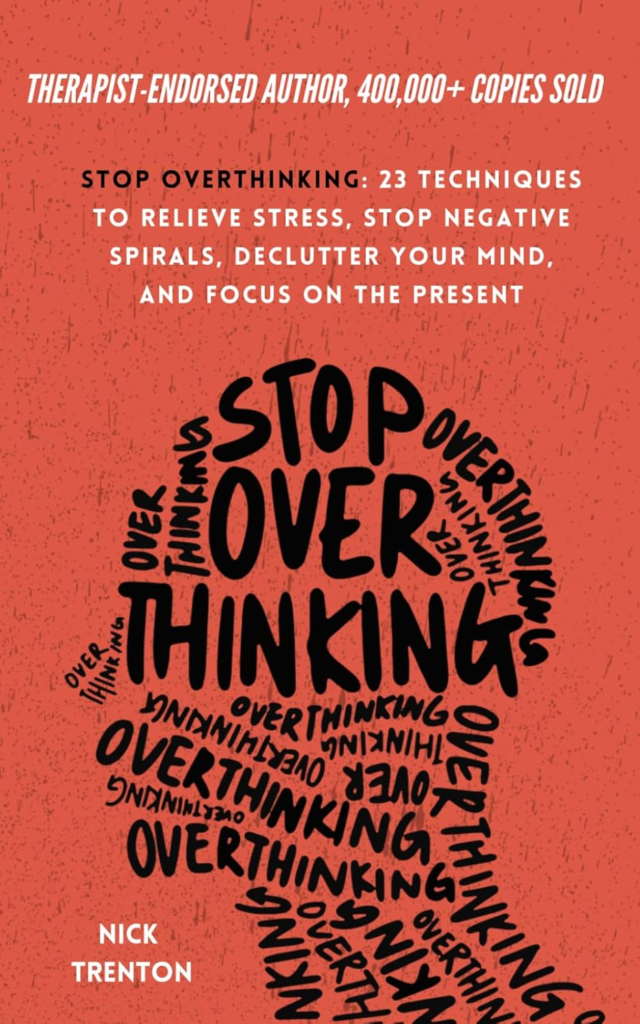
Our Top Pick: Stop Overthinking: 23 Techniques to Relieve Stress, Stop Negative Spirals, Declutter Your Mind, and Focus on the Present — a brilliant listen for anyone wanting to ease anxiety, quiet overthinking, and feel more grounded before stepping into the spotlight.
🔍 Mental Rehearsal & Visualisation (Performance Psychology Technique)
Used by athletes, speakers, and high-performing students, mental rehearsal reduces uncertainty and increases confidence.
Try this 60-second routine:
- Close your eyes
- Picture yourself entering the exam room or presentation space
- Imagine yourself calm, confident, clear
- Visualise success: steady voice, strong answers, smooth delivery
Your brain treats imagined practice like real-life rehearsal — giving you a mental advantage before the real thing.
📚 Preparation Tips That Reduce Exam & Presentation Tension
The #1 cause of anxiety is feeling unprepared.
Proper preparation directly lowers adrenaline levels.
✔ For Exams
- Study using mini mock tests
- Create small summary sheets
- Use past papers
- Revise in short, focused bursts
- Ask lecturers for marking criteria (hugely underrated)
👉 Recommended: Check out our guide on How To Revise for Exams Effectively & Retain Information for Longer.
✔ For Presentations
- Practise your opening line until automatic
- Rehearse at least 3–5 times (out loud!)
- Test slides on the actual device
- Prepare simple, clear cue cards
- Time yourself — pacing reduces panic
Preparation doesn’t remove anxiety, but it gives you predictability, which the nervous system loves.
👉 Recommended: Check out our guide on How To Improve Presentation Skills at University.
💪 Physical Habits to Reduce Stress Before an Exam or Presentation
Your body massively affects your mind.
✔ Move Your Body
Light exercise burns off excess adrenaline.
A 10-minute walk works wonders.
✔ Choose the Right Pre-Exam/Presentation Food
Avoid:
- Energy drinks
- Strong coffee
- Heavy meals
- Sugary snacks
Choose:
- Oats
- Bananas
- Nuts
- Herbal teas
- Light meals
These stabilise your energy and mood.
✔ Hydrate (But Not Too Much)
Being 1–2% dehydrated increases stress.
A small bottle of water = ideal.
👉 Recommended: Check out our guide on The Best Coffee Alternative for Uni Student.
🧠 How to Manage Anxious Thoughts Before an Exam or Presentation
Your brain loves catastrophising.
But thoughts are not facts.
Use Cognitive Reframing:
❌ “I’m going to mess everything up.”
✔ “Nerves mean I care. I can still perform well.”
❌ “Everyone will judge me.”
✔ “People are worried about themselves, not analysing me.”
❌ “If I’m nervous, I’ll fail.”
✔ “Nervousness doesn’t stop performance — panic does. And I can control panic.”
This is one of the most effective long-term anxiety tools.
🎧 Pre-Exam or Pre-Presentation Rituals That Actually Work
Your brain loves routine.
When you repeat the same ritual, your body learns to shift into focus mode.
Popular rituals:
- Listening to calming or confidence-boosting music
- Doing 3 rounds of deep breathing
- Quick posture reset
- Repeating a calm mantra (“I’ve done the work, I’m ready”)
- Light stretching
- Reviewing notes for 1–2 minutes only
These will definitely help you relax before an exam/presentation. Choose one or two and make them your new pre-assessment routine.
🏫 What to Do During the Exam or Presentation If Anxiety Hits
Even well-prepared students sometimes get a wave of nerves mid-way.
Here’s how to recover instantly:
During an Exam
- Pause and take 3 slow breaths
- Re-read the question
- Start with an easier section
- Relax your jaw and shoulders
- Don’t rush — rushing increases panic
During a Presentation
- Pause and sip water
- Look at your notes briefly
- Slow your pace intentionally
- Make eye contact with one friendly face
- Reset your posture (open stance = confidence)
A 3-second reset can save an entire performance.
🎯 Final Thoughts: You CAN Relax Before an Exam or Presentation and Perform Well
Feeling nervous doesn’t mean you’re unprepared — it means you care.
With the right breathing, grounding, preparation, and self-talk techniques, you can walk into any exam or presentation feeling far more calm and confident.
Remember:
Calmness isn’t a personality trait — it’s a skill.
And you’re learning it.
You’ve got this. 💛📚
🎓 University Essentials – Everything You Need for Uni
Did you know? We’ve put together tailored student essential lists to help you through every aspect of university life!
- 📝 Student essentials: Everything you’ll need to stay prepared, productive, and comfortable during a typical Uni day.
- 💡 Accommodation essentials: Make your space feel like home (and don’t forget the stuff everyone forgets!).
- 🖥️ Study from home essentials: Tools and tips to create a distraction-free, efficient study setup.
- 🥘 Kitchen essentials: From budget-friendly basics to smart cooking tools that make life easier.
- 🎧 Coolest gadgets for university: Level up your uni experience with tech and tools students actually use.

❓ FAQs: How to Relax Before an Exam or Presentation
Absolutely. Around 60–80% of students report some level of assessment anxiety.
Use breathing, stretch your shoulders, and focus on slow movements.
Use PMR, lower your shoulders, and slow your breathing.
Energy drinks, heavy meals, and strong coffee.
Stand tall, open posture, slow gestures, and steady breathing.
No — give your brain a 10-minute “cool down”.
Yes they might help. Apps like Headspace, Calm, and Insight Timer are backed by research.
Pause and recover. Most audiences never notice small mistakes.
Start with an easier question to build momentum.
Use university wellbeing services, academic mentors, or Mind UK.