

Disclosure: The Graduate Samaritan is a free independent blog supported by its readers; this post may contain affiliate links that may earn a tiny commission to help the blog sustain itself, thank you for supporting this independent blog! (full disclaimer here)
Students and coffee have an intense relationship—everyone knows that. But what if you don’t fancy coffee? Or maybe you’re looking for a healthier, longer-lasting energy boost without the jitters?
In this post, we’ll dive into what we identified as the best coffee alternative for students: matcha tea.
If you’re new to matcha, think of it as “green tea on steroids.” Intrigued? Let’s explore why it’s the perfect swap for coffee during your busy university days!
Please note: Everything on this blog is based on our opinion and it is intended for informational purposes only. For medical or nutritional advice, always consult professionals!
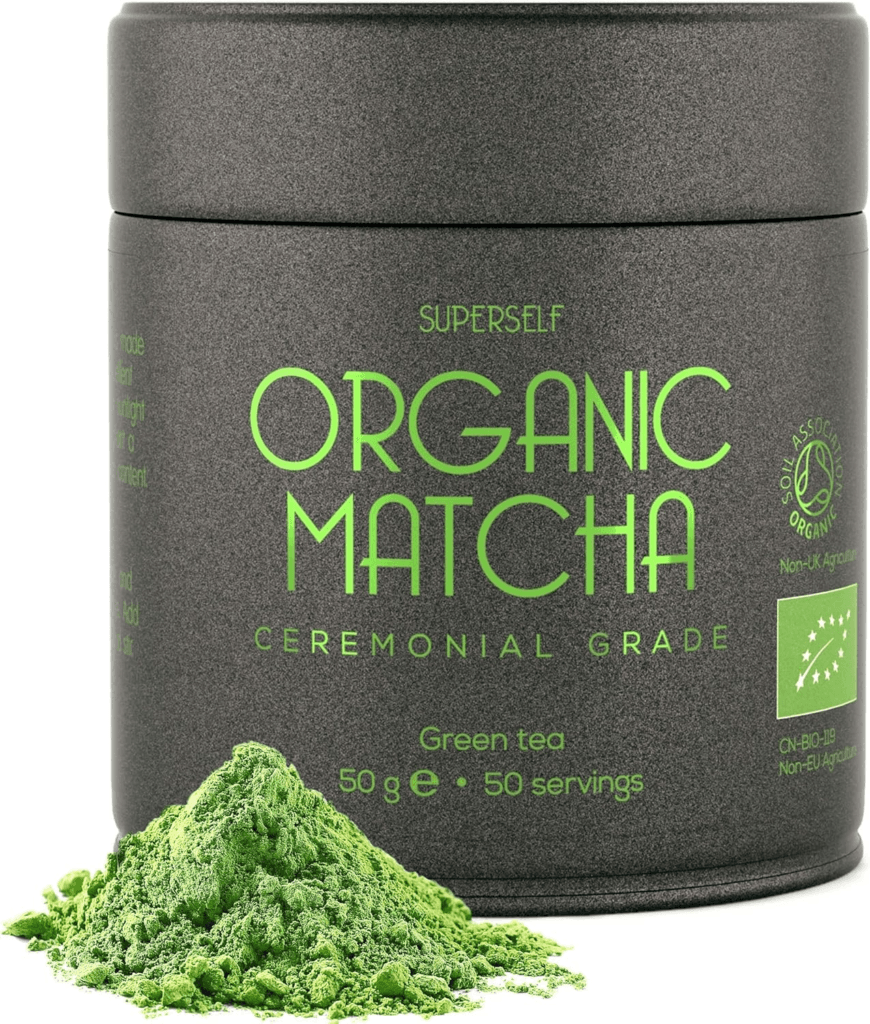
(Spoiler alert: Here is the Ceremonial Grade Matcha Tea we recommend, available on Amazon UK)
🤔 What Is Matcha Tea?
Matcha tea is a finely powdered form of green tea made from specially grown leaves.
Unlike regular green tea, where you steep the leaves and discard them, with matcha, you consume the entire leaf, making it far more potent.
🌱 How Matcha Tea Is Made
During the growing phase, tea plants are shaded with bamboo mats, enhancing their chlorophyll content and giving matcha its vibrant green colour.
After harvesting, the finest leaves are steamed, dried, and stone-ground into a delicate powder.
Good-quality matcha will always have a bright green hue. Beware of low-quality alternatives that are dull, yellowish, or bitter—they’re often labelled as matcha but don’t offer the same health benefits.
📜 A Brief History of Matcha
Matcha has roots in 8th-century China, but its popularity soared in 12th-century Japan when Buddhist monk Myoan Eisai introduced it.
He found that matcha enhanced his meditation by creating a calm yet alert state.
This discovery gave rise to the Japanese Tea Ceremony, or “chado,” a cultural practice that celebrates matcha’s unique qualities.
Today, matcha tea is widely consumed in Japan and increasingly loved worldwide as a healthy coffee alternative.
☀️ What Are the Health Benefits of Matcha Tea?
When you drink matcha, you’re consuming the whole leaf, which means you get concentrated nutrients and antioxidants. That’s why we call it “green tea on steroids.”
Here are the standout health benefits:
- Antioxidants: Matcha is rich in catechins, which fight free radicals and may slow signs of ageing.
- Weight Loss Support: Matcha can boost your metabolism, helping your body burn calories more effectively.
- Heart Health: Regular matcha consumption may reduce LDL (“bad”) cholesterol, lowering the risk of heart disease and stroke.
- Liver Protection: Matcha’s polyphenols may reduce the risk of liver disease.
👉 Recommended: Check Out the Best Books to Build a Successful Mindset at Uni.

🍵 Why Matcha Tea Is the Best Coffee Alternative for Students
University life often means late-night study sessions, early morning lectures, and a lot of pressure.
Unsurprisingly, coffee is a go-to for many students, but it’s not without its downsides—energy crashes, anxiety, and irritability.
Here’s why we believe matcha tea is the best coffee alternative for students:
1. 🧠 Promotes Calm While Boosting Energy
Matcha contains l-theanine, an amino acid that reduces anxiety and stress while enhancing focus and concentration.
Paired with matcha’s natural caffeine, it creates a calm, alert state perfect for tackling assignments or exams.
Essentially, unlike coffee, which can cause jitteriness, matcha provides a smoother, more sustained energy boost.
2. ⚡ No Energy Spikes or Crashes
The caffeine in matcha is absorbed gradually, giving you steady energy for hours. Say goodbye to the highs and lows of coffee-induced energy swings.
If you are interested, we also wrote a post on how to eat healthy at university on a tight student budget.
3. 🧘 Improves Overall Wellbeing
Matcha activates dopamine and serotonin receptors in the brain, enhancing feelings of relaxation and wellbeing.
For students dealing with academic stress, this is a game-changer.
👉 Recommended: Looking for a stylish & comfy backpack for uni? Check out the Best Backpacks for Uni Students!

⚖️ Ceremonial vs. Culinary Grade Matcha: What’s Best for Drinking?
When choosing matcha, go for ceremonial grade for drinking purposes.
- Ceremonial Grade: Made from the youngest leaves, this type is vibrant in colour, delicate in flavour, and perfect for sipping.
- Culinary Grade: Slightly more bitter and less vibrant, this is better suited for cooking or baking.
Pro Tip: Look for certified organic matcha to avoid pesticides, and always ensure the label says “ceremonial grade.”
🚀 How to Make the Perfect Cup of Matcha Tea
Making matcha tea is quick and easy:
- Add ½ teaspoon of matcha powder to your mug.
- Pour a few drops of hot water (not boiling!) and whisk into a paste.
- Add more hot water and whisk until frothy.
- Finish with your choice of milk (cow, oat, almond—your pick) and sweetener if desired.
For a refreshing twist, try an iced matcha latte by adding ice cubes or refrigerating your drink.
✅ Why Students Should Consider Matcha Over Coffee
Let’s sum up why matcha is the best coffee alternative for students:
- Sustained Energy: No spikes or crashes—just smooth, long-lasting energy.
- Better Focus: Enhances attention and reduces anxiety.
- Health Benefits: Packed with antioxidants and nutrients that promote overall wellbeing.
- Gentle on Your Stomach: Unlike coffee, matcha is less likely to cause digestive discomfort.
Important Note: Stick to moderate matcha consumption. Even though it has less caffeine than coffee, overindulgence can have side effects, particularly on sleep quality!
🔗 Related: we have written a post with 6 Practical Methods to Improve Student Sleep Quality.
🙌 Our Recommended Matcha Tea for UK Students
Finding good-quality matcha at a reasonable price can be tricky. We’ve done the research and recommend this certified organic ceremonial grade matcha from Japan.
It’s vibrant, stone-ground, and reasonably priced—ideal for students!
💸 Bonus Tip: Free Amazon Prime
Did you know? If you are under 22, or a full time Uni student in the UK — you are eligible for 6 months free of Amazon Prime, including next-day delivery, Prime Video, Music, and exclusive student discounts.
It’s a small perk — but many students find that it can genuinely save time and money.
👉 Check your eligibility here.
🎓 Amazon Prime Student: The Ultimate Uni Perk!
- 🚚 Free Next-Day Delivery
- 🎬 Amazon Prime Video
- 🎶 Prime Music
- 🎓 Student-Exclusive Offers
💭 Final Thoughts: The Healthiest Coffee Alternative for Students
University life doesn’t have to revolve around coffee. Matcha tea offers a healthier, more balanced energy boost, with none of the drawbacks of coffee.
Make the switch, and enjoy better focus, reduced anxiety, and a host of health benefits—all from one vibrant green cup.
Ready to try the best coffee alternative for students? Give matcha a shot!
❓ FAQs – Matcha Tea, The Best Coffee Alternative for Uni Students
Yes, matcha is an excellent coffee alternative for students because it provides sustained energy without the jitters or energy crashes often caused by coffee. The combination of caffeine and L-theanine in matcha promotes calm focus, making it ideal for studying and long lectures.
Matcha does contain caffeine, but typically less than coffee. One cup of matcha provides around 30–70 mg of caffeine, compared to 80–100 mg in a cup of coffee. This makes matcha a gentler option for students sensitive to high caffeine intake.
Matcha contains L-theanine, an amino acid that supports mental clarity and reduces stress. When combined with caffeine, it helps improve focus, memory, and alertness—benefits that are especially useful for university students during exams and study sessions.
Matcha is often considered healthier than coffee because it is rich in antioxidants, particularly EGCG, which supports brain function and overall health. It is also less acidic than coffee, making it gentler on the stomach.
Yes, matcha can help reduce stress thanks to its high L-theanine content. This compound promotes relaxation without causing drowsiness, helping students stay calm while managing academic pressure.
No, matcha is unlikely to cause an energy crash. Its caffeine is released slowly into the bloodstream, providing steady energy levels over several hours—unlike coffee, which often leads to a sudden spike and crash.
Students can enjoy matcha in several ways, including hot matcha tea, iced matcha, or matcha lattes with milk or plant-based alternatives. Matcha powder can also be added to smoothies for a quick and nutritious energy boost.
🎓 University Essentials – Everything You Need for Uni
Did you know? We’ve put together tailored student essential lists to help you through every aspect of university life!
- 📝 Student essentials: Everything you’ll need to stay prepared, productive, and comfortable during a typical Uni day.
- 💡 Accommodation essentials: Make your space feel like home (and don’t forget the stuff everyone forgets!).
- 🖥️ Study from home essentials: Tools and tips to create a distraction-free, efficient study setup.
- 🥘 Kitchen essentials: From budget-friendly basics to smart cooking tools that make life easier.
- 🎧 Coolest gadgets for university: Level up your uni experience with tech and tools students actually use.