
Disclosure: The Graduate Samaritan is a free independent blog supported by its readers; this post may contain affiliate links that may earn a tiny commission to help the blog sustain itself, thank you for supporting this independent blog! (full disclaimer here)
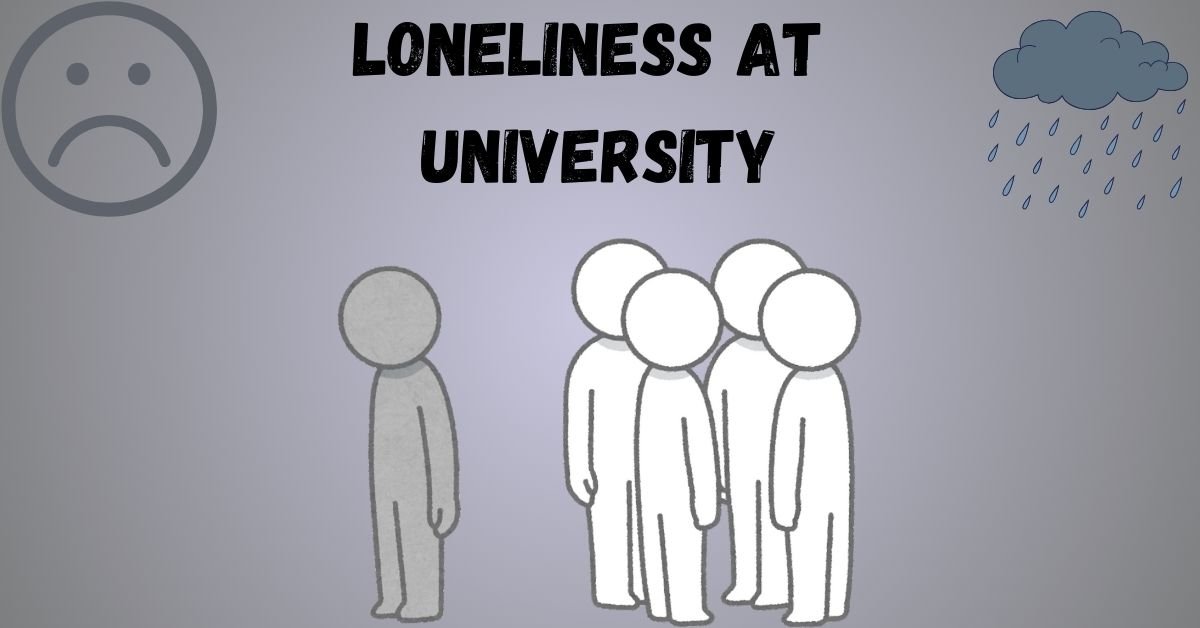
Struggling to cope with loneliness at university is far more common than most students realise — yet it’s one of the least talked-about experiences.
Whether you’re living away from home for the first time, struggling to make friends, or simply feeling disconnected despite being surrounded by people, loneliness can quietly shape your student life.
Making it worse, many students find it difficult to talk about it and often feel embarrassed to admit it. Meanwhile, the NHS and mental-health organisations highlight that loneliness can impact both emotional wellbeing and academic performance.
But feeling lonely at uni doesn’t mean something is wrong with you. It means you’re human. Loneliness is not a sign of weakness or failure. It’s a human response to change — and it can be overcome with the right strategies, support and mindset.
This guide aims at providing empathetic, practical, and evidence-backed ways to cope with loneliness at university, using simple, realistic steps that truly make a difference.
🌱 Why Loneliness Happens at University (And Why It’s Not Your Fault)
The transition to university is massively emotional — you’ve left familiar routines, friends, and stability behind. Suddenly your Uni schedule gets busier and you are forced to adjust to life away from home while dealing with cultural, social and academic pressures on your own.
All of this while being surrounded by new people who all look like they’re coping (even though many secretly feel the same way you do!).
Several factors make loneliness at university particularly overwhelming:
- The pressure to “fit in” quickly
- Social comparison
- Academic stress and homesickness
- Being in a new environment without established support
- Fear of missing out when others seem social
🗣️ Negative Thoughts…
When loneliness hits, your mind may jump to negative conclusions:
“People don’t like me.”
“Everyone else has found their group already.”
“I must be the problem.”
These thoughts aren’t facts — they’re reactions to discomfort. University life moves at an intense pace, and when you feel left out or disconnected, your brain interprets it as a threat.
This is normal — humans are wired for belonging. The key is not letting loneliness define your university experience. But you are not alone!
Research surveying 1,408 UK Uni students found that nearly 79% reported moderate to severe loneliness, and loneliness was significantly linked with stress and depression. (Akram, U. et al., Prevalence and psychiatric correlates of loneliness in UK university students)
💡 Recommended: Check Out the Best Books to Build a Successful Mindset at Uni.

Now that we’ve covered some fundamentals, let’s go through how to cope with loneliness at university.
🧠 1. Start by Understanding Your Type of Loneliness
Before trying to “fix” the issue, you need to calm down and understand what kind of loneliness you’re experiencing. There are different types, it isn’t just “lack of friends”:
1️⃣ Emotional loneliness
Missing deep, meaningful connections — family, long-term friends, a partner. You have people around but none you feel close to.
2️⃣ Social loneliness
Feeling like you don’t have a group or sense of belonging at uni. You want more people around you — a wider circle, more interaction, more meetings.
3️⃣ Situational loneliness
Caused by a specific circumstance — moving halls, a breakup, academic pressure, cultural transition.
4️⃣ Academic or campus-routine loneliness
Uni life is becoming quite monotonous and you re struggling to adapt to it. Workload is increasing and deadlines approaching fast.
Remember, learning to cope with loneliness at university becomes easier to tackle once you identify its root. Important: you might be experiencing a mix of those above, again, it’s completely fine and very common.
🤝 2. Don’t Rush Friendships — Build Them Gradually
Many students believe connections must happen instantly. But genuine friendships are built over time, repetition, and shared moments. Instead of trying to “find your people” all at once, focus on:
- Showing up to familiar places regularly
- Joining one or two activities you actually enjoy
- Reconnecting with the same faces across weeks
- Asking small questions that open small conversations
Studies show that repeated interactions (like weekly classes, society meetings, or study groups) naturally build trust and closeness over time.
Be patient. Social belonging grows slowly but steadily.
🌱 Start with low-pressure environments
You don’t need to go clubbing or be the loudest person at a society meeting, particularly if you don’t fancy those. Try things that naturally spark conversation:
- Study spaces
- Library workshops
- Volunteering events
- Coffee meetups
- Society taster sessions
- Fitness classes
These environments encourage organic interaction, not forced small talk. You can take little steps to build connections — without forcing yourself into uncomfortable situations.
🗣️ Recommended: Check out our guide on How To Make Friends at University for Introverts.
💸 Bonus Tip: Free Amazon Prime
Did you know? If you are under 22, or a full time Uni student in the UK — you are eligible for 6 months free of Amazon Prime, including next-day delivery, Prime Video, Music, and exclusive student discounts.
It’s a small perk — but many students find that it can genuinely save time and money.
👉 Check your eligibility here.
🎓 Amazon Prime Student: The Ultimate Uni Perk!
- 🚚 Free Next-Day Delivery
- 🎬 Amazon Prime Video
- 🎶 Prime Music
- 🎓 Student-Exclusive Offers
💬 3. Break the Cycle of Isolation With Small Interactions
Loneliness often leads to withdrawal — which ironically makes loneliness worse.
Break this cycle gently:
- Sit next to someone in lectures
- Ask a casual question (“How are you finding this module?”)
- Go to the library instead of studying alone in your room
- Say yes to one small thing a week (a coffee, a society taster, a group revision)
Small social actions are scientifically proven to increase feelings of connection and reduce the sense of isolation.
🔍 Be the one to initiate simple conversations
Students appreciate friendliness more than you think. If you are looking for some simple “break the ice” questions, try:
- “What course are you on?”
- “Have you done the reading yet?”
- “Where are you from originally?”
- “Have you joined any societies?”
This isn’t about forcing friendship — it’s about opening opportunities.
💪 Recommended: Check out our practical guide on How To Build Confidence at University.
🏡 4. Make Your Space Feel Like a Safe Base
Your living environment has a significant impact on emotional wellbeing.
Try:
- Adding warm lighting
- Keeping one area tidy and relaxing
- Bringing personal items from home
- Using scents, sounds, or music that feel familiar
- Creating a calming evening routine
A comfortable space helps regulate your nervous system and reduces anxiety associated with loneliness.
☀️ Recommended: Check out our guide on How To Decorate Your Student Room (without breaking the rules!).
📚 5. Build Structure Into Your Days (Loneliness Loves Chaos)
Unstructured time amplifies feelings of emptiness. A simple routine helps create stability and reduces emotional overwhelm.
Try to anchor your day by planning:
- Study blocks
- A meal or coffee with someone once or twice a week
- Regular walks or gym sessions
- One hobby or interest session
- A consistent bedtime and wake time
A structured day reduces rumination and keeps your mind engaged.
😎 Looking for something cool for Uni? Check out these Coolest Gadgets for University!

💛 6. Stay Connected to People Back Home — Without Relying on Them Completely
Staying in touch with family or old friends offers comfort, reassurance and a sense of identity. But balance is key.
A healthy approach might involve weekly video calls; sharing updates on general Uni life (some students also like sharing academic performances, others prefer not to, your choice – you are an adult now); or keeping traditions alive like cooking home meals.
This gives emotional security without preventing you from building new connections at uni.
🏠 Homesickness and Loneliness at University are Connected!
Staying connected to people back home will also help with homesickness, which is one of the biggest contributors to student loneliness.
If you’re struggling with the transition, you can ease the emotional load by:
- Creating familiar routines (evening/weekend habits, family games)
- Personalising your room with comforting items and family/friends pictures
- Planning home visits ahead so you have something to look forward to
Homesickness doesn’t mean you’re not adapting. It means you’re adjusting.
🧘 7. Support Your Wellbeing Through Practical Self-Care
Loneliness affects your physical body too — increasing stress hormones and reducing motivation.
Prioritise habits that support your emotional resilience:
- Regular meals
- Daily movement or fresh air
- Staying hydrated
- Setting time limits on scrolling
- Gentle relaxation techniques
- Journalling your thoughts and experiences
Your wellbeing matters, a health and active lifestyle can definitely help you cope with loneliness at university.
🧠 Signs Loneliness Might Be Affecting Your Mental Health
Loneliness is normal — but sometimes it becomes persistent or emotionally heavy, which obviously impacts your mental health.
Seek support if you notice:
- Persistent sadness
- Feeling disconnected from everything
- Loss of motivation
- Emotional numbness
- Sleep issues
- Withdrawing from others
- Anxiety about leaving your room
You do not need to wait until things get “serious” to ask for help. Early support makes coping with loneliness at university easier.
If this is affecting your mental health, organisations like Mind UK also offer guidance and emotional support: https://www.mind.org.uk.
The NHS recommends consistent self-care routines to improve mental health: https://www.nhs.uk/mental-health.
🗣️ 8. Talk to Someone — Loneliness Gets Lighter When Shared
University wellbeing services are designed for exactly this type of struggle — emotional stress, isolation, adjusting to student life.
Support options that most students are surprised they can access:
- Counselling sessions
- Mental-health wellbeing advisers
- Academic mentors
- Personal tutor
- Workshops on confidence & social anxiety
- Peer support groups
Opening up to someone who’s trained to support students can break the mental loop of isolation, clarify feelings, and provide personalised strategies.
You don’t have to be “struggling badly” to deserve help. Struggling to cope with loneliness at university is enough of a reason on its own.
🎧 Bonus: Discover The Power of Audiobooks for Smarter Studying!
🎧 Bonus Tip: Check out the latest Audible Offers — you might be surprised how much value is included! It’s a great time to explore audiobooks and podcasts, which discuss complex topics in clearer, non-academic language, making them easier to understand and less overwhelming.
🎧 Audible – The Ultimate Study Hack!
- 📚 Listen to Textbooks & Study Guides anytime, anywhere.
- 🧠 Boost Focus with expert knowledge and productivity podcasts.
- 🎧 Relax & Unwind with bestselling audiobooks after classes.
- 🔥 Explore New Audiobooks Every Month with your membership!
🌍 9. Engage in Environments That Foster Real Connection
Loneliness decreases when you feel part of something bigger than yourself. Some places that naturally encourage connection include:
- Study groups
- Community volunteering
- Interest-based societies
- Fitness or sports clubs
- Part-time student jobs
- Cultural or international student networks
- Faith-based communities (if applicable)
You don’t need to be outgoing — you just need to show up.
❤️ 10. Remind Yourself That Loneliness Is Temporary
University is full of transitions. Even people who appear confident often go through lonely phases.
Loneliness isn’t your identity — it’s just a moment you’re living through. With the right strategies and support, things will shift.
And they will get better.
💬 How to Cope with Loneliness at University — Final Thoughts
Loneliness at university is common, temporary, and absolutely solvable. It does not mean you’re unloved, unintelligent, or unlikeable. It means you’re adjusting to a huge life change, and that takes courage and time.
Your people exist. Your comfort will grow. Your confidence will strengthen. And you will not feel this way forever.
The fact that you’ve read this far shows resilience — and that you’re already taking your first step toward connection.
You are not behind.
You are not the only one.
And you are not alone.
🎓 University Essentials – Everything You Need for Uni
Did you know? We’ve put together tailored student essential lists to help you through every aspect of university life!
- 📝 Student essentials: Everything you’ll need to stay prepared, productive, and comfortable during a typical Uni day.
- 💡 Accommodation essentials: Make your space feel like home (and don’t forget the stuff everyone forgets!).
- 🖥️ Study from home essentials: Tools and tips to create a distraction-free, efficient study setup.
- 🥘 Kitchen essentials: From budget-friendly basics to smart cooking tools that make life easier.
- 🎧 Coolest gadgets for university: Level up your uni experience with tech and tools students actually use.
❓ FAQ: Loneliness at University
Yes — extremely. Most students experience loneliness at some point, especially in first year or after major transitions.
It varies, but with small social steps and emotional support, most students begin feeling more settled within weeks to a few months.
Yes, if it becomes persistent. It can contribute to low mood, anxiety, and stress — which is why early support is so important.
It can — but addressing it early helps prevent burnout, disengagement, or academic stress.
Absolutely. Talking to wellbeing teams, tutors or friends can reduce emotional pressure and help you access support.
If loneliness is affecting your mental wellbeing, motivation, or daily functioning, accessing university wellbeing services is a strong step.
Focus on low-pressure environments: study groups, small societies, one-to-one interactions, online university communities and gentle routine-building.
Start with low-pressure spaces, approach people in small ways, and join activities that naturally encourage conversation.