

Balancing a job alongside university can feel like trying to juggle two full-time commitments at once. One day you’re rushing from lectures to a shift, the next you’re trying to finish an assignment after getting home late. If you’ve ever wondered how to balance work and university without burning out, you’re far from alone.
With rising living costs, many UK students work part-time during their degree to cover rent, food, transport, and social expenses. While employment can provide valuable income and experience, it can also create stress, exhaustion, and time pressure if it isn’t managed carefully.
The good news is that balancing work and university is possible. The key is not trying to do everything perfectly — it’s learning how to manage your energy, time, and priorities strategically.
In this guide, you’ll learn practical, realistic ways to succeed academically while working part-time, protect your wellbeing, and avoid the common mistakes that leave students overwhelmed.
🎓 Why So Many Students Work While Studying
For many students, working is a necessity rather than a choice. Part-time jobs can help with:
- Rent and accommodation costs
- Food and groceries
- Transport expenses
- Course materials
- Social activities
- Building work experience
According to the National Union of Students, a significant proportion of students undertake paid work during their studies, and financial pressures have increased in recent years.
Employment can actually be beneficial. Many graduates find that customer service, retail, hospitality, tutoring, and administrative roles help them develop communication, teamwork, and time-management skills that employers value later on.
The challenge is making sure work supports your university experience rather than consuming it.
⚠️ The Biggest Mistake Students Make
The most common mistake is treating work and university as completely separate worlds.
Students often:
- Accept too many shifts during assessment periods
- Study only when they have “spare time”
- Stay up late after work to complete assignments
- Ignore signs of exhaustion
- Assume they can “catch up later”
This creates a cycle of stress, procrastination, and fatigue.
Instead, think of your degree and your job as parts of one integrated schedule. Once you start planning them together, balancing work and university becomes much more manageable.
🧠 10 Tips To Balance Work and University
Let’s now go through 10 practical and realistic tips to balance work and university:
🎯 1. Prioritise Your Degree First
Your job is important, but your degree is usually the investment with the greatest long-term impact.
Before accepting extra hours, ask yourself:
“Will this shift make it harder to complete my coursework, revise effectively, or attend essential classes?”
If the answer is yes, think carefully before agreeing. Short-term income should not consistently undermine long-term academic goals.
During exam season or major assignment deadlines, it may be worth temporarily reducing your availability if possible, negotiate that ahead of time.
⏳ 2. Use Time Blocking Instead of To-Do Lists
Long to-do lists can become overwhelming when you’re balancing work and university.
Instead, use time blocking. Allocate specific periods to specific tasks, for example:
| Time | Activity | Why It Matters |
|---|---|---|
| 9:00 – 11:00 | 📚 Lecture | Attend classes and take active notes. |
| 11:30 – 13:00 | ✍️ Library study session | Review lecture material while it’s still fresh. |
| 13:00 – 14:00 | 🍽️ Lunch & short break | Recharge before work. |
| 14:00 – 18:00 | 💼 Part-time shift | Earn income while building transferable skills. |
| 19:00 – 20:00 | 📖 Assignment or revision | Focus on one priority task. |
| After 20:00 | 😌 Relax & sleep | Rest is essential for learning and preventing burnout. |
This approach helps you see exactly where your time is going and prevents work from gradually taking over your study hours.
3. 📚 Study Smarter, Not Longer
When you’re working part-time, you may not have endless hours available for studying. Efficiency becomes essential.
Focus on:
- Active recall (testing yourself)
- Past papers
- Flashcards
- Teaching concepts aloud
- Summarising topics from memory
Research consistently shows that active study methods are far more effective than simply rereading notes.
A focused 45-minute session can often be more productive than three distracted hours.
4. 😴 Protect Your Sleep
Many students sacrifice sleep first. Unfortunately, poor sleep affects:
- Memory
- Concentration
- Decision-making
- Mood
- Academic performance
- Work performance
The NHS recommends that adults generally aim for around 7–9 hours of sleep per night.
If you’re regularly staying up until 2am to finish coursework after a shift, the issue is usually not laziness — it’s an unsustainable schedule that needs adjusting.
5. 💬 Communicate With Your Employer
Many student jobs are accustomed to employing university students.
Be proactive:
- Provide your timetable early
- Give notice about exam periods
- Request reduced hours during major assessments
- Avoid agreeing to shifts you know will cause problems
Clear communication is far easier than trying to fix scheduling conflicts at the last minute.
❌ 6. Learn to Say No
This is one of the most valuable skills for balancing work and university.
You do not have to:
- Take every extra shift
- Attend every social event
- Join every society
- Be available all the time
Protecting your time is not selfish — it’s responsible.
Remember that burnout often happens gradually, not suddenly.
7. 🚨 Recognise the Signs of Burnout
⚠️ Watch out for these warning signs:
- Constant exhaustion
- Difficulty concentrating
- Missing deadlines
- Becoming unusually irritable
- Feeling emotionally drained
- Getting ill more often
- Losing motivation for both work and university
P.N. If you regularly experience several of these symptoms, it may be time to reduce your workload or seek support from your university wellbeing service.
8. 💼 Turn Your Part-Time Job into Career Experience
Don’t think of your part-time job as “just work”.
Many employers prefer graduates who can demonstrate both academic achievement and real workplace experience, learn how to recognise those.
| At Work… | Future Employers See… |
|---|---|
| Helping customers | Excellent communication skills |
| Solving complaints | Problem-solving ability |
| Working under pressure | Resilience |
| Managing cash or stock | Responsibility |
| Working shifts | Time management |
| Collaborating with colleagues | Teamwork |
Tip: Keep a note of examples from your job. They’ll be invaluable when writing CVs, personal statements, and answering competency-based interview questions.
9. 📅 Create a Weekly Catch-Up Buffer
One missed study session shouldn’t cause panic. Reserve 2–3 hours on your day off to:
- ✅ Finish unfinished coursework
- ✅ Review lecture notes
- ✅ Plan the coming week
- ✅ Organise upcoming deadlines
- ✅ Prepare for lectures
Think of this as your “safety net”. A weekly catch-up session prevents small delays from turning into overwhelming backlogs.
10. 🔥 Remember Why You’re Doing Both
When balancing work and university feels overwhelming, reconnect with your bigger goals.
You’re likely working to:
- Support yourself financially
- Gain independence
- Reduce debt
- Build experience
- Create future opportunities
Those goals matter.
At the same time, your degree represents an investment in your long-term career and personal development.
Keeping both perspectives in mind can help you make better decisions about your time and energy.
📚 Best Book To Learn How To Balance Work and University
If you are looking for a good book on the, we highly recommend “Deep Work” by Cal Newport.
It argues that the ability to focus without distraction on cognitively demanding tasks is a rare, high-value superpower. It provides exact rules to eliminate “shallow work” and replace it with isolated, high-intensity focus blocks.
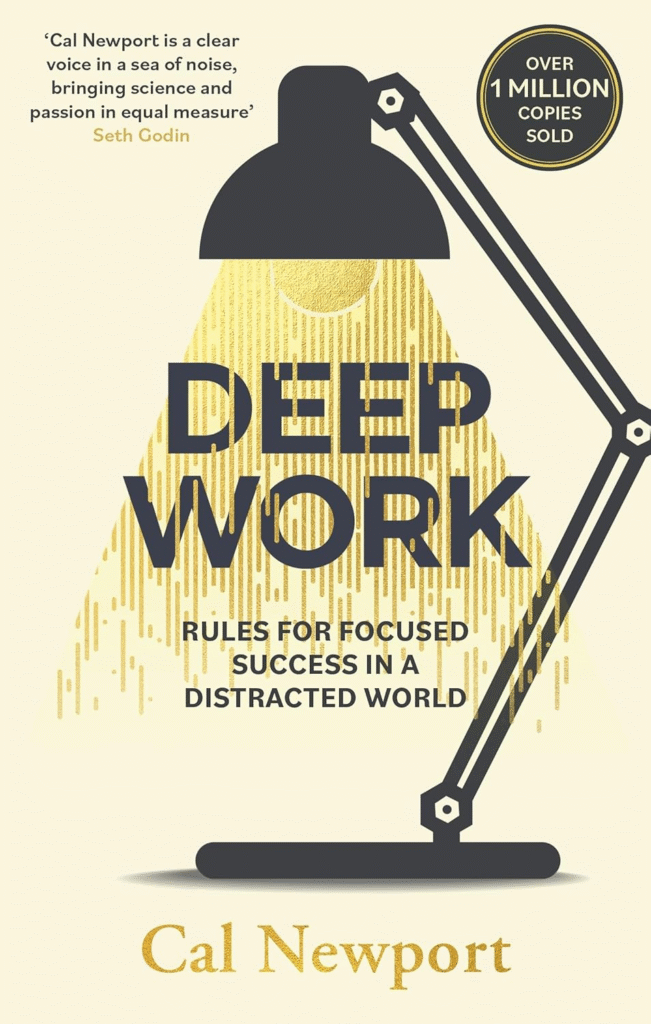
When work takes up a huge chunk of your week, your remaining study hours must be highly efficient. Deep Work stops you from spending 5 hours in a distracted, half-focused study state, showing you how to get the exact same amount of academic work done in 2 hours of pure, uninterrupted intensity.
🎧 Bonus Tip: Discover The Power of Audiobooks
🎧 Bonus Tip: It’s worth checking the latest Audible introductory offers — they’re often available as a free trial or for less than £1!
Whether you’re studying, building new skills, or working on personal growth, audiobooks and podcasts make learning more accessible and engaging.
👉 Check the current Audible offers here.
🎧 Audible – The Ultimate Study Hack!
- 📚 Listen to Textbooks & Study Guides anytime, anywhere.
- 🧠 Boost Focus with expert knowledge and productivity podcasts.
- 🎧 Relax & Unwind with bestselling audiobooks after classes.
- 🔥 Explore New Audiobooks Every Month with your membership!
📊 Time Management Pyramid
⛰️ The Student Time Management Pyramid
🔺 Top Priority
- Exams
- Coursework deadlines
🟧 Important
- Lectures
- Revision
- Reading
🟨 Flexible
- Part-time work
- Social plans
- Society activities
🟩 Daily Foundations
- Sleep
- Meals
- Exercise
- Mental wellbeing
Remember: The base of the pyramid supports everything above it. Neglecting your health eventually affects both your work and your studies.
💡 Recap: Quick Tips for Balancing Work and University
- ✔ Plan your week every Sunday.
- ✔ Study in shorter, focused sessions.
- ✔ Tell your employer about exam periods.
- ✔ Don’t accept every extra shift.
- ✔ Protect your sleep.
- ✔ Build in time to relax.
Small habits, repeated consistently, are far more effective than occasional marathon study sessions.
💭 Final Thoughts: Balance Is About Sustainability
Balancing work and university is not about achieving perfect productivity every day.
It’s about creating a routine that allows you to:
- Meet your financial responsibilities
- Progress academically
- Protect your health
- Maintain some social life
- Avoid chronic exhaustion
Some weeks will feel easier than others. That’s completely normal.
The students who manage work and university most successfully are usually not the ones who work the hardest every hour of the day. They are the ones who plan realistically, communicate clearly, and recognise that rest is a productive part of success.
You don’t need to be superhuman to balance work and university — you just need a sustainable system.
Recommended: have a look at our specific categories for:
❓ FAQ: How to Balance Work and University
Many students find that 10–20 hours per week is manageable alongside full-time study, although this varies depending on course demands.
Yes, excessive work hours can reduce study time and increase fatigue. The key is finding a balance that supports both your finances and your academic goals.
Flexible roles such as retail, hospitality, tutoring, campus jobs, or administrative work often fit well around university timetables.
Prioritise sleep, schedule regular breaks, limit unnecessary commitments, and monitor early signs of exhaustion.
Absolutely. Giving advance notice about exams and major assignments can make scheduling much easier.
Yes. Employers often value the communication, teamwork, and time-management skills developed through part-time work during university.
Start by identifying the most urgent deadlines, speak to lecturers if necessary, and create a realistic recovery plan rather than trying to catch up on everything at once.
🎓 University Essentials – Everything You Need for Uni
Did you know? We’ve put together tailored student essential lists to help you through every aspect of university life!
- 📝 Student essentials: Everything you’ll need to stay prepared, productive, and comfortable during a typical Uni day.
- 💡 Accommodation essentials: Make your space feel like home (and don’t forget the stuff everyone forgets!).
- 🖥️ Study from home essentials: Tools and tips to create a distraction-free, efficient study setup.
- 🥘 Kitchen essentials: From budget-friendly basics to smart cooking tools that make life easier.
- 🎧 Coolest gadgets for university: Level up your uni experience with tech and tools students actually use.